 jesse
jesseGorilla trekking in Uganda and Rwanda offers the rare opportunity to spend time observing mountain gorillas in their natural forest habitat. Both countries provide established trekking experiences, but the terrain, logistics and trekking conditions can vary.
Good preparation can make the experience more comfortable and help you approach the trek with realistic expectations. Here is what to know before you go.
Gorilla Trekking in Uganda and Rwanda at a Glance
| Uganda | Rwanda | |
|---|---|---|
| Main trekking areas | Bwindi & Mgahinga | Volcanoes National Park |
| Main experience | Mountain gorilla trekking | Mountain gorilla trekking |
| Terrain | Forested, steep and uneven in places | Mountainous forest terrain |
| Fitness | Moderate fitness recommended | Trek difficulty varies |
| Porters | Available | Available |
| Permits | Required | Required |
Uganda Wildlife Authority states that gorilla tracking in Uganda takes place in Bwindi Impenetrable National Park and Mgahinga Gorilla National Park, and that treks can last approximately 2–7 hours, requiring moderate fitness.
Rwanda’s official tourism booking information confirms that gorilla tracking takes place in Volcanoes National Park, with a minimum tracking age of 15 and a maximum of eight visitors per gorilla group.
Preparing for Gorilla Trekking in Rwanda
1. Arrange Your Gorilla Permit in Advance
A gorilla trekking permit is required for the experience. Rwanda’s official booking system allows mountain gorilla tracking to be booked in advance, with bookings handled on a first-come, first-served basis.
Because trekking slots are limited, it is sensible to organise your permit and other travel arrangements before your trip.
2. Dress for the Forest
Volcanoes National Park is a mountainous environment, so conditions can change during the trek.
Consider wearing:
- Comfortable hiking boots
- Long trousers
- Long-sleeved clothing
- Lightweight, breathable layers
- A waterproof jacket
- Clothing suitable for muddy or wet conditions
3. Keep Your Daypack Light
You may be walking for several hours, so avoid carrying unnecessary items.
Useful essentials include:
- Drinking water
- Snacks
- Camera
- Personal medication
- Waterproof protection for valuables
4. Consider Hiring a Porter
Porters are available to assist trekkers. They can carry your daypack and provide practical assistance on difficult sections of the trail.
Beyond convenience, using a porter can also make the trek more manageable when the terrain becomes steep or uneven.
5. Stay Hydrated
Gorilla trekking can involve several hours of walking through forest and mountainous terrain. Carry sufficient water and some energy-rich snacks for the trek.
6. Follow Gorilla Photography Guidelines
Photography should never interfere with the experience or disturb the gorillas.
Rwanda’s official guidelines include maintaining a 7-metre distance, keeping voices low, avoiding rapid movements and following the guide’s instructions. Viewing time is limited to one hour.
7. Listen to Your Guide
Your guide and ranger team will brief you before the trek and provide instructions throughout the experience. Follow their guidance on movement, distance and behaviour around the gorillas.
How Difficult Is Gorilla Trekking in Rwanda?
There isn’t one standard trekking difficulty.
The length and physical demands can vary depending on where the assigned gorilla group is located, the terrain and conditions on the day. Rwanda’s official visitor information notes that mountain hikes can range from relatively short walks to considerably longer treks, with the route depending on the gorilla family’s location.
1. Easier Treks
Some gorilla groups may be located relatively close to the starting point, resulting in a shorter trek.
2. Moderate Treks
Other groups require several hours of walking through forest and uneven terrain. A reasonable level of fitness is useful for these conditions.
3. More Challenging Treks
Some treks can involve steeper terrain and longer distances, particularly when the gorilla group is farther into the forest.
Your guide and ranger team will help you understand the conditions and provide guidance throughout the trek.
How Fit Do You Need to Be for Gorilla Trekking in Uganda?
Uganda’s gorilla trekking takes place in Bwindi Impenetrable National Park and Mgahinga Gorilla National Park. UWA recommends moderate fitness, with tracking potentially lasting between two and seven hours.
1. Prepare for Uneven Terrain
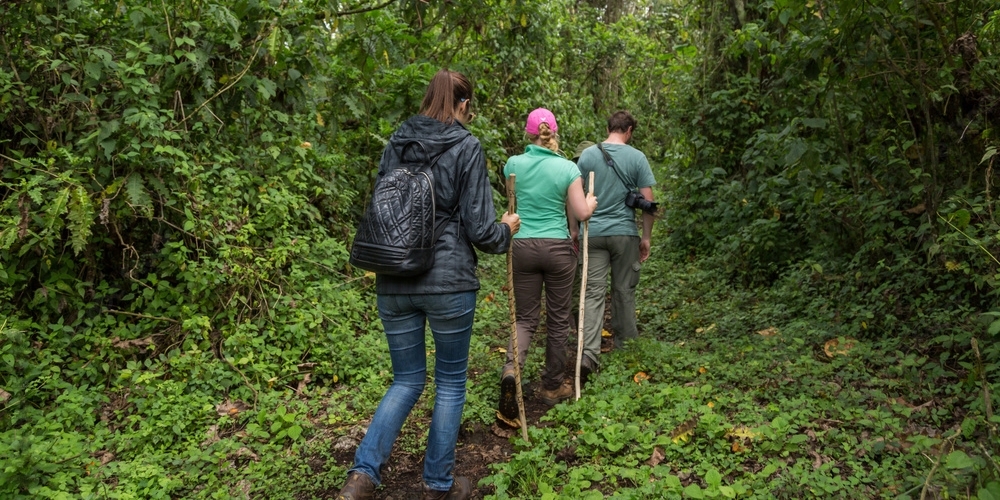
Bwindi and Mgahinga are forested mountain environments. Expect uneven trails, slopes and vegetation rather than flat walking paths.
If you regularly walk, hike or exercise, building up your endurance before your trip can help you feel more comfortable.
2. Consider Your Mobility
Anyone with mobility limitations should discuss their circumstances with their tour operator before travelling. This allows the itinerary and trekking arrangements to be planned realistically.
3. Porters Can Help
Porters are available in Uganda and can carry your backpack and provide practical support during difficult sections of the trail.
Uganda or Rwanda: What Should You Expect?
The two destinations offer different settings for mountain gorilla trekking.
- Uganda: Trek in Bwindi or Mgahinga, with UWA noting that tracking can last around 2–7 hours and requires moderate fitness.
- Rwanda: Trek in Volcanoes National Park, where the mountainous environment means trekking duration and difficulty can vary depending on the gorilla group’s location.
Rather than assuming one country will provide an easier trek, consider the specific park, itinerary, travel dates and your own fitness level when planning.
Gorilla Trekking Rules You Should Know
Responsible behaviour is an important part of the experience.
Rwanda’s official guidelines include:
- Maintain the required distance from gorillas.
- Keep your voice low.
- Avoid sudden movements.
- Do not litter.
- Do not visit if you are sick with a contagious illness.
- Follow your guide’s instructions.
- Keep your time with the gorillas within the permitted viewing period.
Uganda also operates formal permit and tracking procedures through the Uganda Wildlife Authority.
What Should You Pack for Gorilla Trekking?
A practical packing list includes:
- Sturdy hiking boots
- Waterproof jacket
- Long trousers
- Long-sleeved shirts
- Lightweight layers
- Water bottle
- Energy snacks
- Small daypack
- Camera
- Insect protection
- Personal medication
- Waterproof bag for valuables
Book Your Gorilla Trekking Adventure
Gorilla trekking requires more than simply arriving at the forest. Permits, accommodation, transport and the right preparation all form part of the experience.
Whether you’re considering Bwindi or Mgahinga in Uganda or Volcanoes National Park in Rwanda, Gorillas & Safaris can help organise the journey around your interests, travel dates and preferred itinerary.
Ready to explore Africa’s forests?
Contact us at [email protected] to start planning your journey.