 jesse
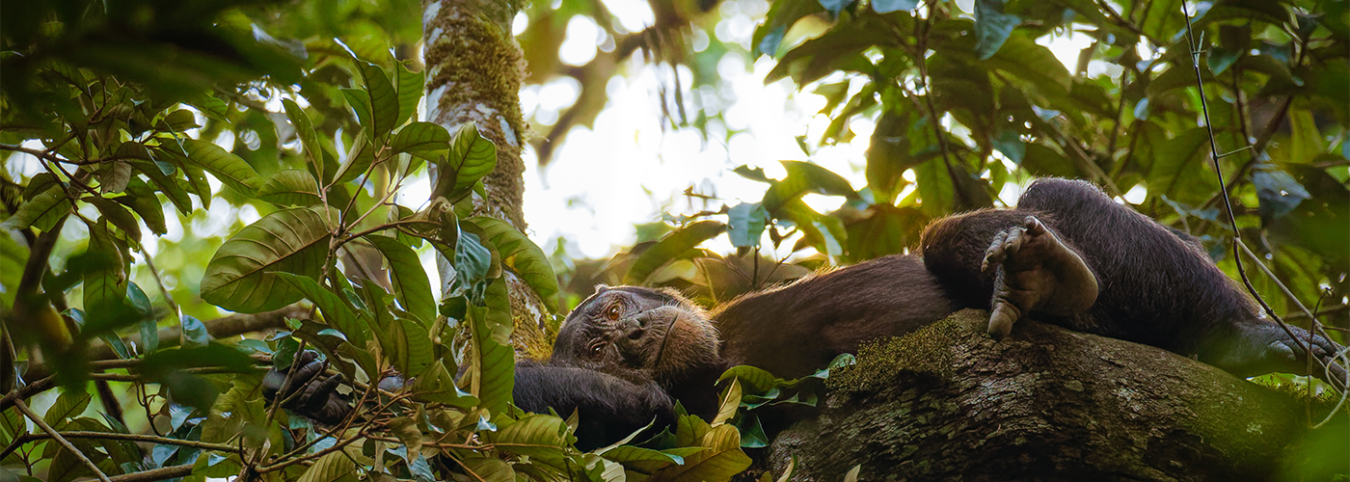
Chimpanzees are highly social primates with complex relationships, communication systems and learned behaviours. Their communities are shaped by shifting alliances, competition, cooperation and social bonds. Here are eight fascinating aspects of chimpanzee social life.
1. Social Hierarchy
Chimpanzee communities have complex social hierarchies, particularly among males. Dominance can influence access to resources, social relationships and mating opportunities. Rather than being based simply on physical strength, social position can also be shaped by relationships and alliances.
2. Power Struggles
Competition among males can involve displays, vocalisations, aggression and physical confrontations. Individuals may compete for higher social status, while changing relationships can influence the balance of power within the community.
3. Strategic Alliances
One of the most fascinating aspects of chimpanzee society is their ability to form alliances. Individuals may cooperate with others to strengthen their social position, and these relationships can change over time.
Alliances can therefore play an important role in the community’s social dynamics.
4. The Role of Females
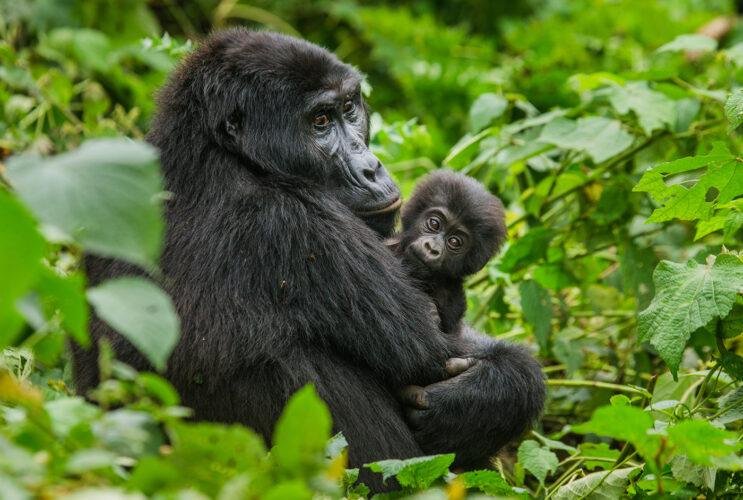
Although male competition is often prominent in discussions of chimpanzee social behaviour, females are also important members of the community. Their relationships, experience and social interactions contribute to the structure and stability of the group.
The original source describes older females as “matriarchs” with significant influence, but it does not provide further detail on how this influence operates.
5. Conflict and Reconciliation
Chimpanzees don’t simply fight and move on. Social relationships can be repaired after conflicts through behaviours such as grooming and embracing.
These reconciliation behaviours can help restore relationships and reduce tension between individuals, highlighting the importance of social bonds within chimpanzee communities.
6. Tool Use and Problem-Solving
Chimpanzees are well known for their ability to use tools. Examples include using sticks to extract insects and stones to crack open nuts.
These behaviours demonstrate their ability to use objects in purposeful ways to solve problems and obtain food.
7. Learning From One Another
Chimpanzees acquire behaviours by observing and learning from other members of their communities. This type of social learning allows individuals to develop skills and behaviours that can be passed through groups over time.
It also demonstrates how important social interaction is to chimpanzee development and survival.
8. Complex Communication
Chimpanzees communicate through a combination of vocalisations, facial expressions and body postures. These signals can help individuals maintain social relationships, coordinate activities and respond to potential threats.
Their communication is an important part of how they navigate the constantly changing relationships within their communities.
Why Chimpanzee Social Behaviour Matters
Chimpanzee communities offer a fascinating window into the social lives of one of our closest living relatives. Their alliances, conflicts, reconciliation behaviours, communication and ability to learn from one another reveal a remarkably complex social world.
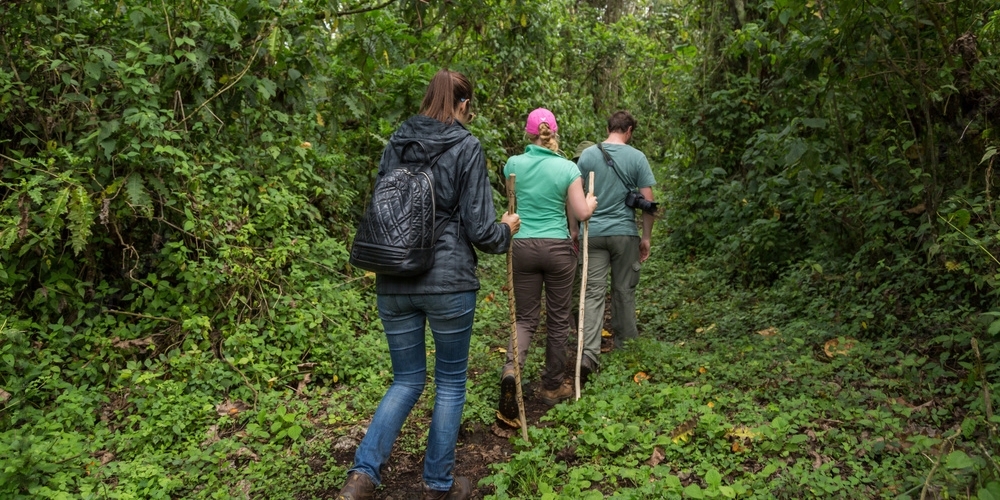
For travellers visiting Uganda, Kibale National Park provides an opportunity to experience chimpanzees in their natural forest environment through chimpanzee trekking and related forest experiences.
Experience Uganda’s Chimpanzees
Want to discover chimpanzees beyond the facts?
Explore our chimpanzee trekking experiences in Uganda and experience the forest where these remarkable primates live.
Ready to explore Africa’s forests?
Contact us at [email protected] to start planning your journey.